Useful before clever
Government, Tynwald, FOI and tender items are rewritten around who is involved, what changed, deadlines and why readers should care.
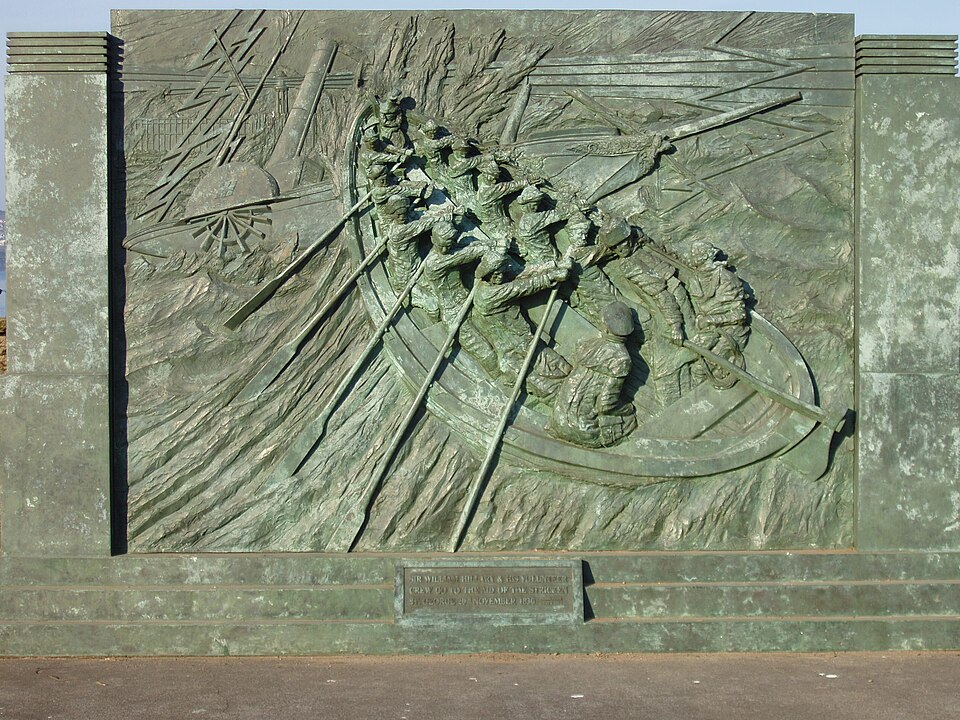 DouglasAbout visual contextThe briefing is built for the practical rhythm of Island mornings.
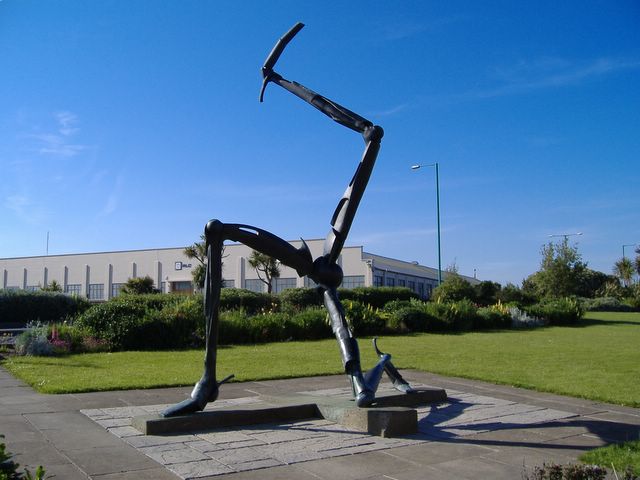 Manx symbolThree Legs context without generic stockA public-domain visual cue for Manx identity and source-labelled reuse.DouglasPromenade, memorials and daily movementThe briefing is built for the practical rhythm of Island mornings.
About Moghrey Mie
Moghrey Mie turns local reporting, Tynwald business, government records, FOI, tenders, events, tides and weather into a plain-English morning scan.
About pages often turn into vague manifestos. This one points each reader to the page that answers the next practical question.

The useful boundary is simple: public source routes stay visible, private account data stays off the website, and corrections have a named path.
The website should make the briefing feel trustworthy before a reader has to inspect every source link.
Government, Tynwald, FOI and tender items are rewritten around who is involved, what changed, deadlines and why readers should care.
Original reporting, public records and official notices keep source routes visible so readers can check the detail.
Wrong links, unclear summaries, bad dates and factual corrections go through the corrections mailbox and source-ledger route.
The site is generated from the daily issue and refreshed with the homepage, archive, topic pages, search data, sitemap and RSS feed.
Public pages expose editorial and publish status only. Subscriber data, credentials, account settings and internal logs stay off the site.
The briefing combines local news with events, weather, tides and public notices so readers can act on it immediately.
A simple publishing model: collect the public record, translate it for readers, publish it in the inbox and on the web, then keep the correction route visible.
Local reporting, Tynwald material, government records, FOI, tender notices, events, tides and weather are gathered into the daily issue.
Dense public-record language is turned into plain-English cards that answer who, what, when and why it matters.
The email issue and website archive are built from the same data, then public routes, search, RSS, sitemap and status pages are refreshed.
Readers can flag broken links, missing context or factual problems through the corrections route, with source notes kept visible.
Each page exists because a reader may arrive with a different need: catch up, follow civic business, plan the day, search the archive or advertise.
These are the pages to use when you need context rather than another feed of headlines.
The Sources page explains the feed model, correction route and examples from the latest issue.
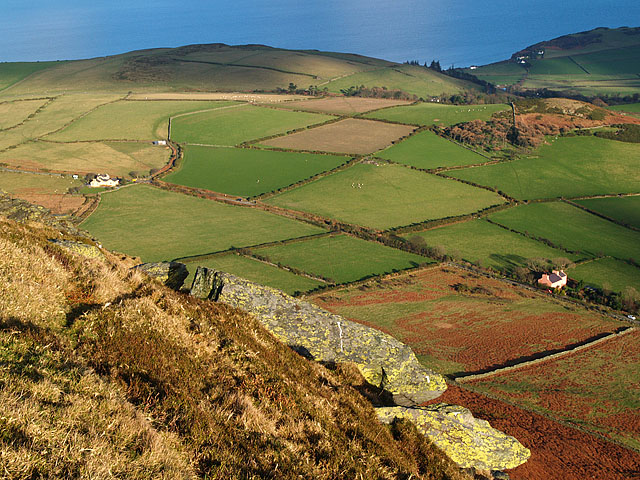 South Barrule · Upland views and local geographyDouglas · Promenade, memorials and daily movementManx symbol · Three Legs context without generic stock
 Morning briefing · Local news before the day starts